
ARTICLES
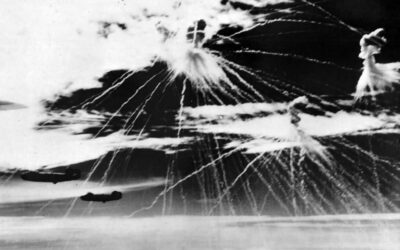
After Hollandia: The Air War Over Western New Guinea, April–May 1944 – Part 2
Following the Allied landings at Hollandia in April 1944, the air war in New Guinea rapidly shifted westward toward Biak, Wakde, Noemfoor, Manokwari and the Vogelkopf Peninsula. During April and May, U.S. Fifth and Thirteenth Air Force bombers and...
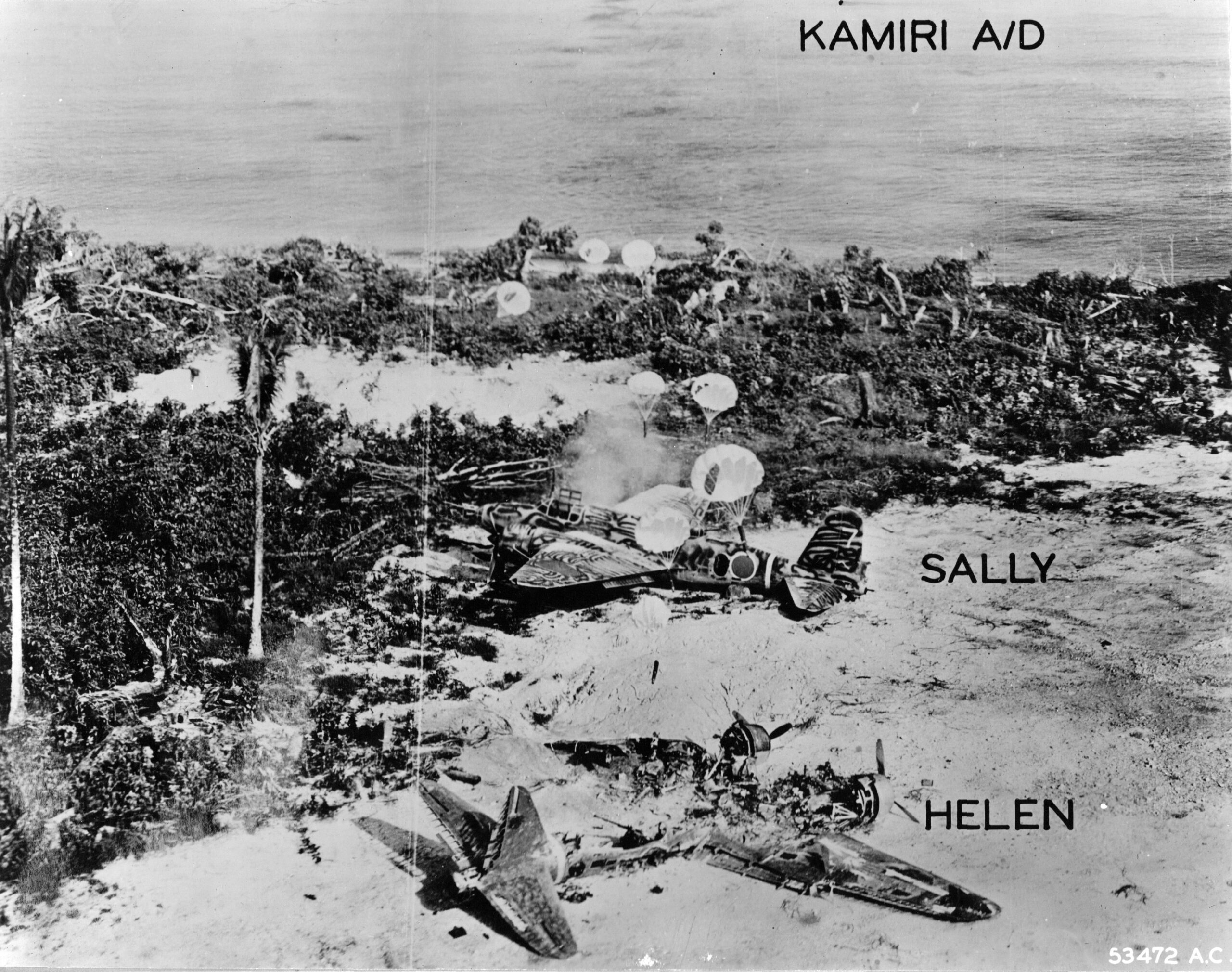
After Hollandia – Air Combat in Western New Guinea, April-May 1944 – Part 1
The Hollandia air combat of 1944 marked the beginning of a rapid Allied advance into western New Guinea. With Japanese air strength already badly reduced by attacks on Hollandia and nearby bases, American heavy bombers pushed farther west against...
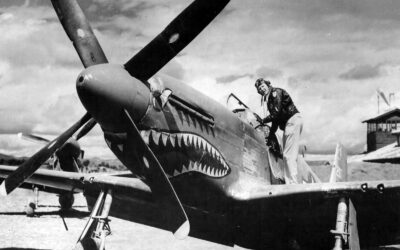
Remembering Walter “Walt” Wyatt: WWII P-51 Fighter Pilot in the China-Burma-India Theater
Walter W. “Walt” Wyatt was a World War II Army Air Forces fighter pilot who flew combat missions in China with the 16th Fighter Squadron, 51st Fighter Group. Flying the P-51 Mustang, he was credited with eleven enemy aircraft destroyed, including...
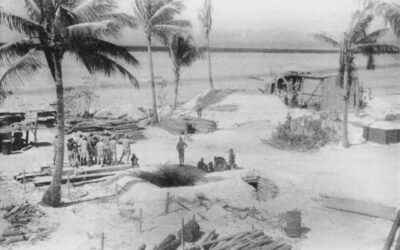
The Untold Story of Central Pacific Air Operations – Part III
This article is Part III of a three-part series exploring the overlooked role of land-based air power in the Central Pacific during 1943. If you're new to the series, you may wish to begin with Part I, which examines the strategic foundations of...
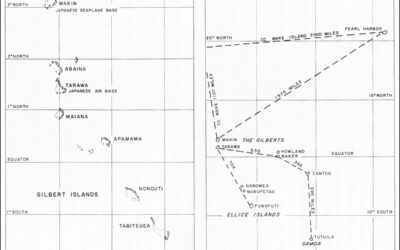
The Untold Story of Central Pacific Air Operations – Part II
By the summer of 1943, Allied leaders had begun laying the groundwork for a major offensive across the Central Pacific. While the coming battles at Tarawa and the Gilbert Islands would become famous, the months preceding those operations are often...
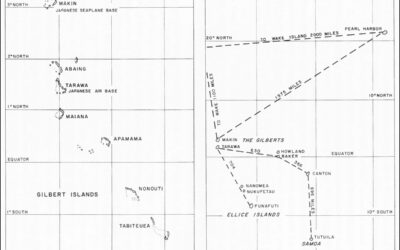
The Untold Story of Central Pacific Air Operations, 1943 – Part I
When historians discuss the Central Pacific campaign of World War II, attention typically focuses on the major amphibious invasions that began in late 1943. Yet months before the famous island-hopping offensive gained momentum, American and...
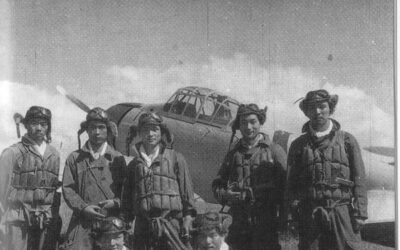
Japanese Pilot Training and Experience in the Pacific Air War — Part II
In Part I of this series we examined the broad contours of Japanese pilot training and experience during the Pacific War. Part II goes deeper — and gets more specific. The evidence presented here comes primarily from prisoner-of-war interrogation...
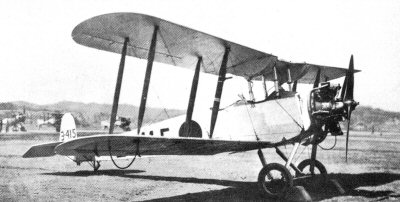
Japanese Pilot Training and Experience in the Pacific Air War – Part 1
This article attempts to contribute to the story of the Pacific Air War by exploring the dynamics of the aviation training and experience of the combatants. In doing so some comparative information will be presented on the Allied, primarily...
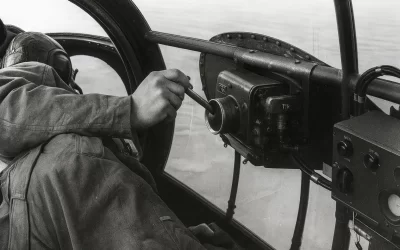
The Dawn of Precision Strike: The Origins of Guided Weapons in World War II
The Shift Toward Precision Warfare Precision strike is often viewed as a modern development, but its foundations were laid during the Second World War. Faced with the limitations of conventional bombing—particularly against maneuvering...
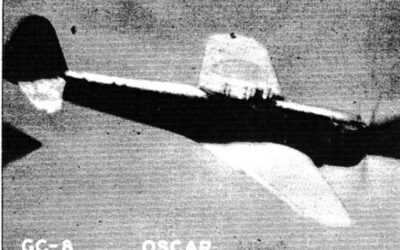
Introducing the Type 1 Model II Fighter (Ki-43-II “Oscar II”) in New Guinea
The Arrival of the Type 1 Fighter in the Southeast Area The Japanese Army Air Force Type 1 fighter (Ki 43) arrived in New Guinea in December 1942 as part of the JAAF’s contribution to help bolster air power in the Japanese Southeast Area comprised...