
During World War II, Japanese Zero fighters ranged far beyond the better-known battlefields of the Pacific, operating over the Bay of Bengal in defense of Japan’s southern resource area. This article examines the little-documented history of Imperial Japanese Navy Air Group 331, tracing its deployment from aircraft carrier Junyo to forward bases in Sumatra and the Andaman Islands, and its encounters with Allied aircraft during the air war over the eastern Indian Ocean in 1943–1944.
Zero Fighters Over the Bay of Bengal, 1943–1944
On August 27th, 1943, Japanese aircraft carrier Junyo approached Singapore where she was to take part in the rehabilitation of carrier air groups of the 2nd Carrier Division recently decimated after months of aerial combat from land bases in the Solomon Islands. On board Junyo were fighters and carrier attack planes of Air Group 331. Before reaching Singapore, Junyo launched thirty-six Zero fighters (Allied codename Zeke) the first carrier take-off for many of the pilots. They flew over six hundred miles to their new base, the airfield on Sabang, an island off the northwest tip of Sumatra. This article provides a glimpse into the somewhat obscure history of Zero fighters in action at the edge of the Indian Ocean far from the Solomons or central Pacific.
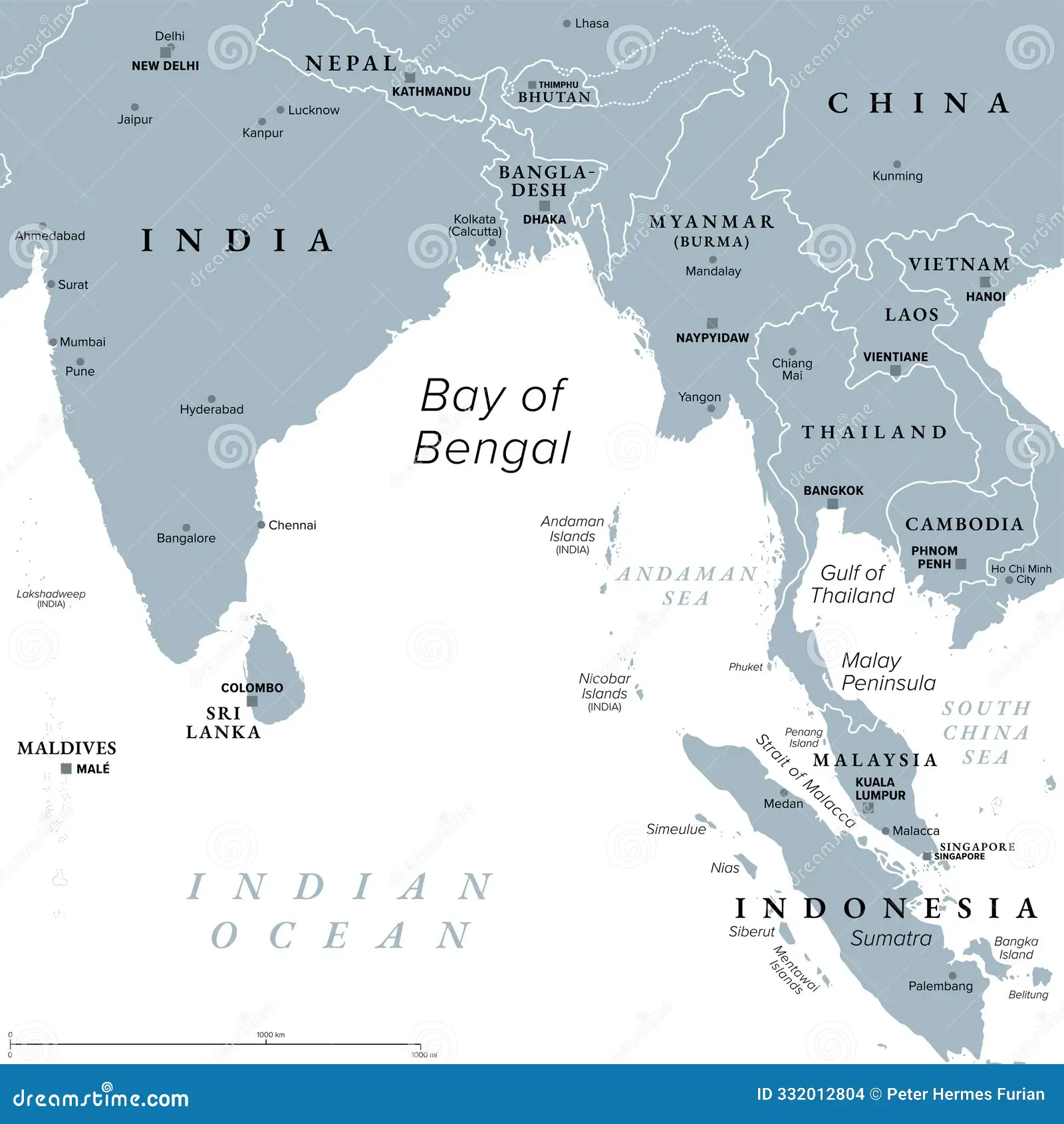
Current political map
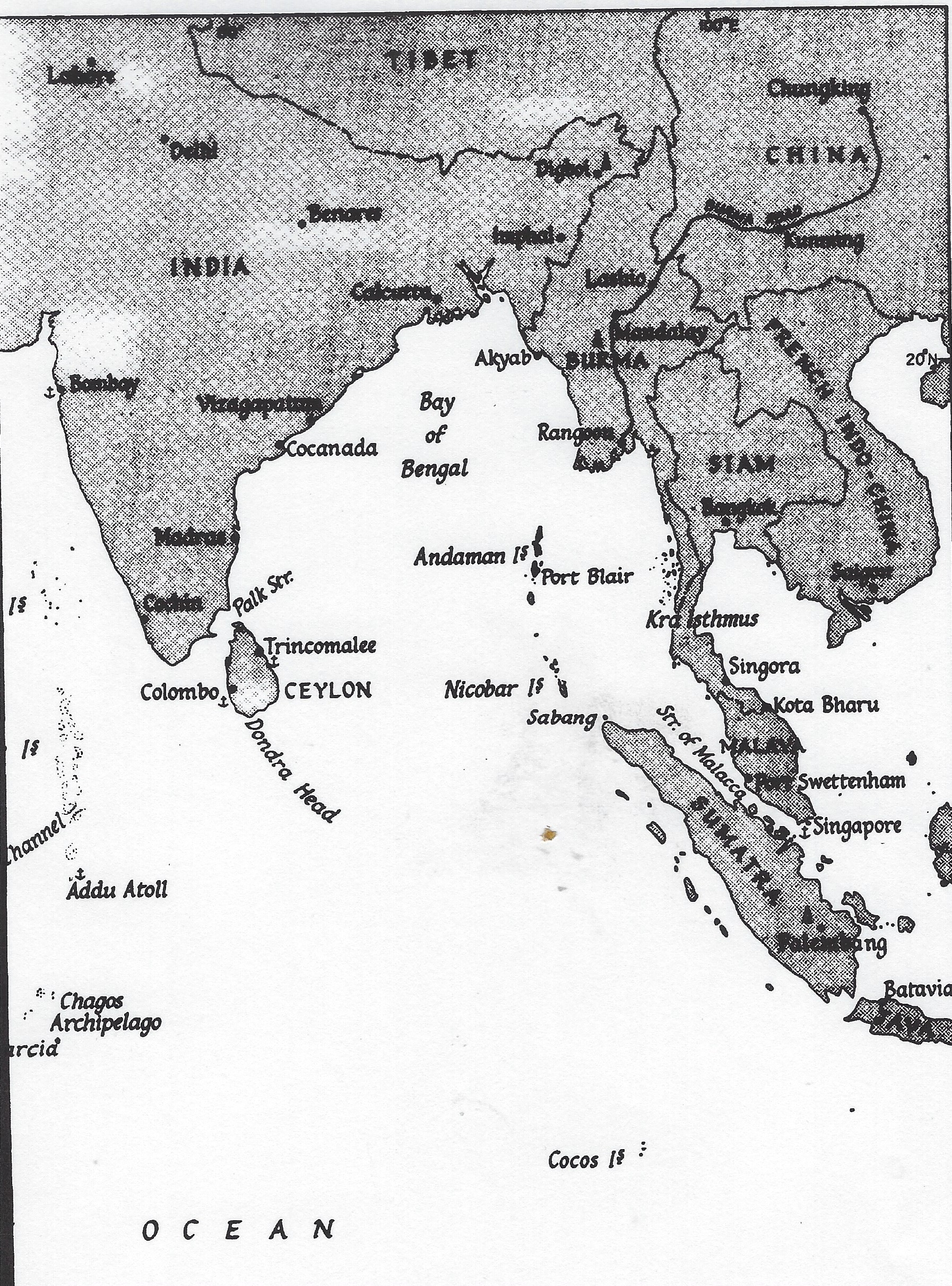
Period Map
Why Japan Deployed Zero Fighters to the Bay of Bengal
Here we might address a few preliminary questions. Why was the Japanese navy sending airplanes to the far western extreme of their defense perimeter when action in the Solomons and New Guinea was raging and action in the central Pacific was in the offing? Additionally, what is a 300-series air group? Why is it presented as a cardinal number rather than an ordinal number?
Sumatra was a key component of Japan’s southern resource area particularly regarding the extraction and refining of petroleum. Sumatra was primarily a Japanese army defense responsibility. However, Japanese army air power had been drawn into their Southeast Area (Solomons – New Guinea) and the Banda Sea area north of western Australia. This weakened their commitment to the defense of Sumatra. There was some oil production in northwest Sumatra, but the heart of oil production was in the southeast. The northwest was not only a potential Allied steppingstone to resources of the southeast, but its occupation could close the supply route from Singapore to Japanese operations in Burma through the Malacca Strait. The Japanese navy presumably thought Sumatra’s defenses needed to be bolstered and agreed to expand its small air garrison.
What about Air Group 331? In English language literature whether written by western or Japanese authors Japanese three-digit air group designations typically show up as ordinal numbers – 331st. The Japanese navy three-digit air group numbers originated in November 1942 consisted of three cardinal numbers: 3-3-1. That is how their air crews knew them and spoke of them. The first number indicated aircraft type. The first three meant “land fighter” typically an interceptor or night-fighter unit but sometimes a Zero (carrier) fighter unit, especially if combined with another aircraft type as initially was the case with Air Group 331. The second number indicated the Naval District under which the unit was organized, Kure in this case. The final digit related to the order in which the unit was organized with a distinction between previously organized air groups that were renumbered and newly organized air groups such as Air Group 331.
The Formation and Role of Air Group 331
Air Group 331 was officially formed on 1 July 1943 as part of the Southwestern Fleet. As originally constituted it was to consist of Zero fighters and Tenzan model 11 carrier attack bombers (later codenamed Jill). It was formed at Saeki airfield in Hiroshima Prefecture in the far south of Honshu Japan’s main island. On 17 July its commanding officer Cdr. Hisao Shimoda sent a status report to higher headquarters. Seven hundred thirty-eight personnel were present. Of its authorized twenty-four Zero fighters ten were on hand and five reported en route. Shimoda’s report made no mention of the new Tenzan torpedo planes, twenty-four of which were authorized for the unit. Tenzan originally designated 14-shi experimental carrier attack plane before being officially adopted for service was encountering teething problems including excessive vibration. Exactly what occurred is unclear, but despite published accounts to the contrary when the attack plane unit became operational its early missions were flown with the older Type 97 carrier attack plane (codename Kate). Shimoda’s previous assignment had been as operations officer of the Tsuchiura Air Group, a major training establishment.
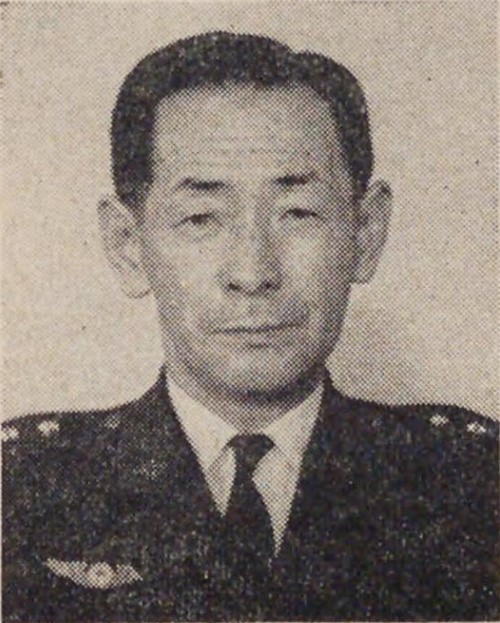
JASDF Lieutenant General Hideki Shingo
The flight leader of 331’s fighters was LtCdr. Hideki Shingo, a distinguished pilot. Shingo fought over China before joining the Tainan Air Group for the Philippines and Netherlands East Indies campaigns. Transferred to aircraft carrier Shokaku he fought in the Battles of Eastern Solomons and Santa Cruz. Among the group’s experienced pilots was another real veteran, W.O. Sada-aki Akamatsu, a fighter pilot since 1932. He was credited with eleven victories in China; he gained additional victories with the 3rd Air Group in early 1942. Most recently a flight instructor, Akamatsu was known for his eccentricities as well as his skill. His assignment to a combat unit was part of a trend seen in Japanese navy air units in 1943. Annuated pilots were transferred from instructor positions to leadership positions in combat units. This had a short-term positive effect but eventually undermined Japanese flight training.
W.O. Masao Taniguchi, younger than Akamatsu, had flown from aircraft carriers in the attack on Hawaii, at Midway and in the Battles of Eastern Solomons and Santa Cruz. One of his air victories was claimed over Ceylon in April 1942. His most recent assignment had been as a flight instructor. Other senior pilots serving with 331 were W.O. Saneo Imamura and W.O. Shigeo Kimura with nine- and five-years’ experience, respectively. Their careers included duty as instructors and with other veterans they would tutor the more junior pilots.
On 15 August with Air Group 331 on board Junyo departed from Saeki. The 331’s Zero contingent had been increased to four flight buntai totaling thirty-six Zeros plus twelve reserve aircraft. On board the carrier were thirty-six Zeros and eighteen carrier attack planes. The short period between formation and departure had allowed little time for training newly added pilots. Two days later light cruiser Kashii departed Singapore with personnel, equipment and supplies destined for 331. She stopped at Belawan, a major port serving Medan in northwestern Sumatra (Netherlands East Indies, today Indonesia), to drop off most of her load. Troops and supplies were transported from there to Sabang overland and by small vessels. On 22 August Kashii arrived at Port Blair in the Andaman Islands to unload personnel and supplies for an advanced base for a 331 detachment. The following day an Allied photo reconnaissance plane reported activity at Port Blair consistent with expansion of a base there. On the same day two 7th Bomb Group B-24s bombing shipping at Car Nicobar reported several small vessels and landing barges as well as a landing ground under construction. Their bombs sank the navy cargo ship Heito Maru. Meanwhile Kashii was attacked by Royal Navy submarine Trident, but all the torpedoes missed.
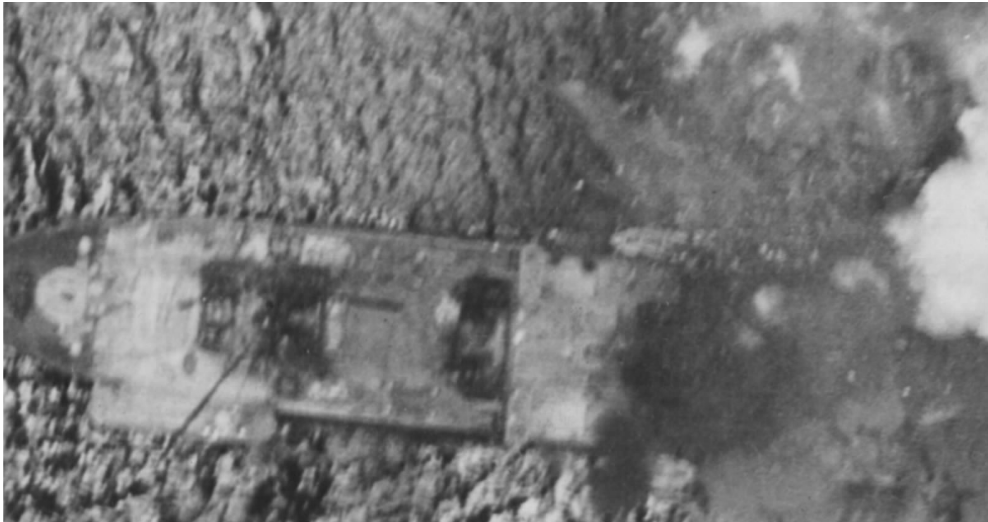
B-24 view of Heito Maru
As noted above, the aircraft aboard Junyo destined for Sabang flew off on 27 August. Almost immediately upon arrival organizational changes occurred. Effective September 1st, the air group became part of the 28th Air Flotilla. Its carrier attack plane contingent spun off, becoming Air Group 551 a separate unit of the air flotilla, relocating to Kotaraja on Sumatra proper. After the split 331’s authorized personnel complement fell significantly. Other elements of the 28th Air Flotilla were medium bomber Air Group 705 (from October) and four-engine flying boat Air Group 851. The units at Sabang/Kotaraja engaged in air defense and joint convoy cover/anti-submarine patrols. The other air units were primarily engaged in ocean surveillance flying missions from Padang and Sibolga on the western Sumatra coast or the Andaman Islands (occupied by the Japanese in early 1942). Some flights flew east to the Indian coast. Others flew as far south as the Cocos Islands. Air Group 331 soon sent small detachments to Car Nicobar and Port Blair. Later a detachment was sent to Mergui in southern Burma.
For details on Andaman Islands visit: Pacific Wrecks – Andaman Islands, Union Territories, India
Strategic Importance of Sumatra and the Andaman Islands
In 1943 the Allies were trying to maintain pressure on the Japanese in the Far East, their China, Burma, India (C.B.I.) theater. The Japanese were defending their “southern resource area”. Before the war Burma had supplied India with almost its entire requirement for petroleum (the main production facilities were badly damaged in the British retreat) and supplied Bengal province, the most highly populated part of eastern India, with rice the staple of the local diet. The reconquest of Burma was important to maintain and increase the flow of supplies to China and keep Nationalist China in the war thus diverting Japanese military resources from other critical theaters.
While important strategic interests were at play, both sides had overriding interests in other theaters. Hence only limited resources could be applied. A Type 2 large flying boat (Emily) of Air Group 851 flew a reconnaissance mission to Colombo, Ceylon on 20 September 1943. It probably discovered that the British Eastern Fleet was absent. Plans were afoot to relocate the fleet back to Colombo from its base in east Africa. However, Britain’s Eastern Fleet had been much reduced to support operations in the Mediterranean. In late September it comprised only an old battleship, an escort aircraft carrier, and eleven cruisers, only four of which were modern types. The fleet’s destroyers, needed for balanced task force operations, were widely dispersed on convoy escort duties. The reason for this was that in the large expanse of the Indian Ocean and adjacent waters a mere half dozen German U-boats (Monsun Gruppe based at Penang) were at large causing significant losses. Moreover, Japanese submarines were also contributing to sinkings and doing far better than their colleagues in the Pacific.
As important as reconquering Burma was to the Allies it was equally important to Japan to defend it and use it as a launching pad to invade India. They hoped to foment revolt throughout India having brought Indian nationalist leader Chandra Bose by submarine from Germany to Japan. They established an “Indian National Army” mostly former POWs previously serving under British command to serve with Japanese troops in the invasion of India. The Andaman and Nicobar Islands not only provided the Japanese a defensive boundary to the Netherlands East Indies’ resources but bases from which to project power across the Bay of Bengal to the Indian coast.
In addition to other anti-shipping operations U.S. B-24s began dropping aerial mines in Rangoon harbor and its approaches early in 1943. Numerous mining missions were flown during the year. The Japanese technical response was limited. The Thailand to Burma railway (of “Bridge over the River Kwai” fame) completed in October 1943 never lived up to full expectations for a variety of reasons. The Japanese began stopping some large vessels carrying cargo for Rangoon in the far south of Burma. From there cargo was transshipped via smaller vessels, some with wooden hulls immune to magnetic mines. Mining caused few sinkings but was disruptive. With most B-24s lacking radar mining was considered superior to long range ocean searches. Small scale sea search operations continued, however.
This was the strategic context in which Air Group 331 served. High level missions were to maintain the integrity of Japan’s southern resource area and support the continuation of Japanese operations in Burma.
Allied Encounters with Japanese Naval Aviation
On September 1st pilots of 331 flew three uneventful missions. Two patrol missions from Sabang involved three Zeros each and lasted two hours, one in late morning and one in early afternoon. A third mission involved four Zeros and lasted four hours. A couple days later two B-24s flew an anti-shipping mission to the Nicobar Islands and encountered no opposition. Zeros had not yet deployed to Car Nicobar. In subsequent days various missions involving one to four or more Zeros were flown. In addition to flight operations the Japanese also worked on establishing and perfecting ground radar operations. A Japanese army officer expressed the opinion that compared to Japanese army radar Japanese navy radar on Sumatra was “excellent.”
The Japanese naval air presence soon became known to the Allies. A description of the Japanese air order of battle as of the middle of September included this information: “Thirty Naval fighters and light bombers are based at Sabang. There is evidence that Naval aircraft patrol the SW coast with a base at Sibolga. The air defense of the Andamans is a naval commitment, and fighters based there are believed to have been detached from the Sabang contingent.” (U.S. 10th Air Force Weekly Intelligence Summary, 23 September 1943). The following week’s intelligence report credited the Japanese with six “Zekes” at Port Blair in addition to the fighters and light bombers at Sabang. A few weeks later they had identified the units involved.
On September 22nd six B-24Ds of the 7th Bomb Group were dispatched to bomb Port Blair. They encountered adverse weather conditions. Four returned to their base in India without bombing and two others bombed alternative targets. Early that same morning a Liberator of R.A.F. No. 160 Squadron took off from Sigiriya Airfield, Ceylon on a photographic reconnaissance mission to the Nicobar Islands, south of the Andaman Islands. Its pilot, twenty-one-year-old Pilot Officer Joseph Cohen R.A.A.F., was held in such high regard that a month earlier he had been selected to fly Air Chief Marshall Richard Pierse to the Quebec Conference. Liberator III (British version of the B-24D) No. FL939 did not return. Its fate was unknown until R.A.F. intelligence learned of a Japanese radio broadcast stating a B-24 had been shot down over Car Nicobar. The broadcast also stated that a Japanese fighter had been lost in the engagement. Air Group 331 scrambled nine Zeros from Car Nicobar. Apparently, an extended combat took place before the Liberator was shot down. Petty Officer Yukio Nanao was shot down and killed. Nanao was trained in the Hei 6 training class with other ratings transferred from fleet duties. He probably received about 140 hours flying time in basic and advanced training followed by a hundred hours of operational training completed in early 1943. Four other Zeros returned sporting bullet hits from the Liberator’s defensive fire. Liberator III’s retained .50 caliber machine guns in the upper turret. In other gun positions .50’s were replaced by .303 machine guns.
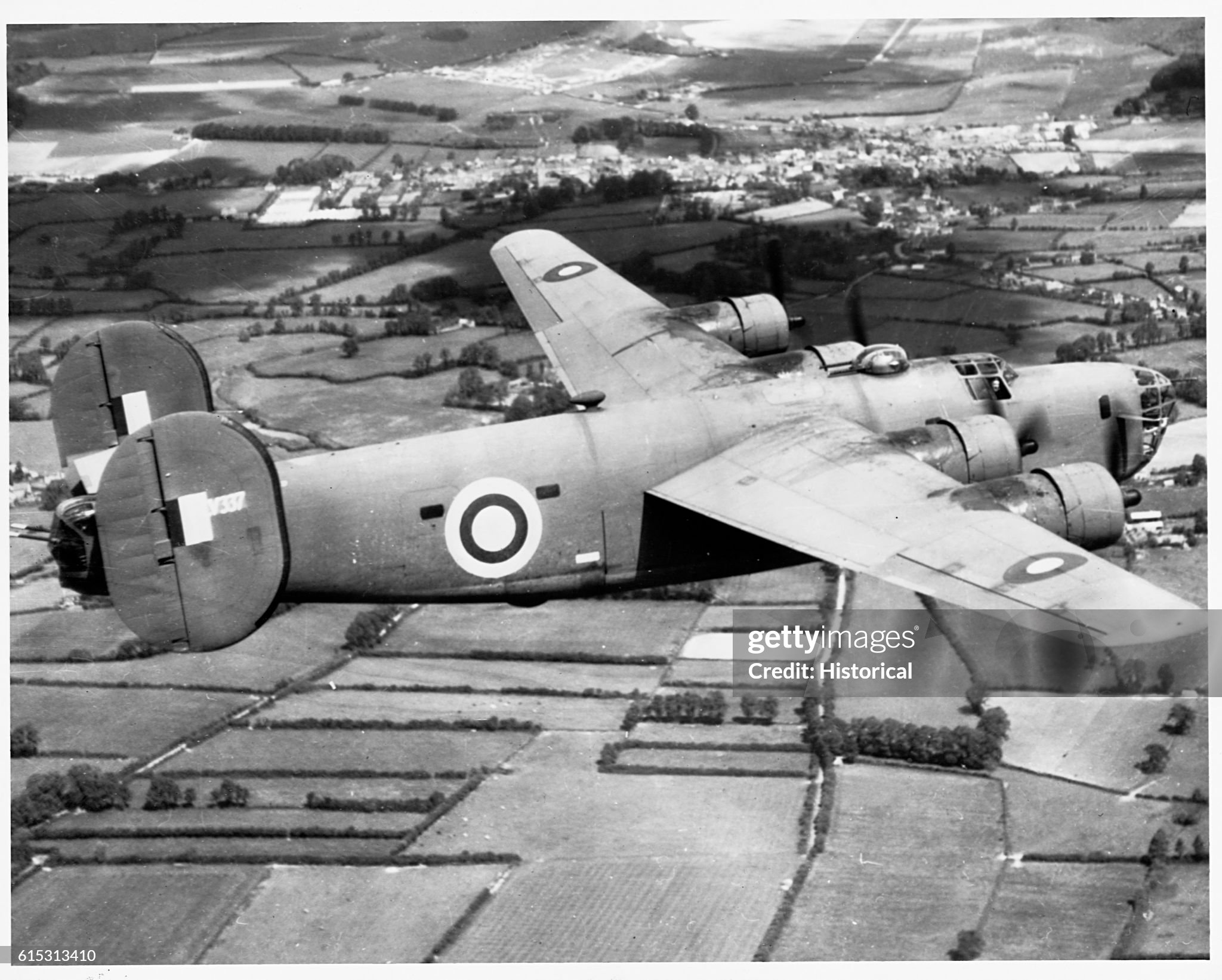
Liberator III LV337 used for R.A.F. tests
For more details visit: Pacific Wrecks – Liberator III Serial Number FL939 Code M
The next encounter took place on October 1st also involving a photographic Liberator from Ceylon. Nine Zeros were up from Sabang but most never engaged the “B-24”. The Liberator was on its way home flying at 23,000 feet when the crew sighted a Zero emerging from a cloud bank 3,000 feet higher.
The enemy aircraft dived from dead astern, opening fire from slightly below at 700 yards, weaved to starboard and came in with raking fire across the Liberator. Before breaking away to port. This attack was pressed close in…
The Liberator turned into the Zero’s approach as evasive action and then dove from 23,000 feet to 2,000. At low level:
Zeke continued for some minutes to cruise above P.R.U. aircraft at about 800 yards range, making feint attacks and retiring several times…Zeke appeared very maneuverable and well handled, but was not used to best advantage after the initial attack.
After twenty-five minutes the Zero broke off leaving the Liberator with a slightly wounded gunner and numerous machine-gun and cannon hits. When the action ended the Zero was reportedly nearly 200 miles from Sabang.
Two Zeros were involved, both returning with machine-gun hits. The description in the R.A.F. intelligence report, while mentioning only one Zero, suggests differences in pilot skill and determination involved in the two encounters, one at high altitude followed by one at low level. The two Zeros were flown by reserve Ens. Hiroshi Suzuki and Flyer Shogo Itoh.
Convoy escorts and patrol missions were Air Group 331’s primary operations. On some days twenty or more sorties were flown. Inexperience resulted in occasional losses. On October 11th a Zero was destroyed in a crash landing after a patrol. In the early hours of October 12th an Air Group 851 flying boat was shot down over Ceylon by a Beaufighter of 176 Squadron’s Ratmalana detachment. Another flying boat dropped sixteen 60kg bombs at Madras on the Indian coast north of Ceylon. On October 24th a Mosquito III of 681 Squadron on photographic reconnaissance over Port Blair evaded three Zeros that were sighted.
Two days after a Mosquito escaped interception a Liberator was intercepted by six Zeros that failed to bring it down. A Japanese press report stated: “One large enemy plane came raiding Port Blair…Meeting the immediate challenge and pursuit of Nippon naval fighters, the enemy plane fled.” Later, a single Zero engaged the big bomber in a long chase. As a result, another 160 Squadron Liberator fell to Air Group 331. This was Liberator III No. FL926 flown by F/O Walter A. Wallace, R.C.A.F., which failed to return, cause unknown. A second Japanese press report stated: “One enemy B-24 heavy bomber came to raid Car Nicobar in the Nicobar Islands on the afternoon of October 26. An Imperial Navy fighter plane, pursuing the plane for about 40 minutes, shot it down.” Two Japanese formations of six and three Zeros were involved. Petty Officer Takio Sato engaged in a forty-minute chase before the B-24 met its final demise. Ens. Suzuki returned with bullet holes in his Zero. The R.A.F. began to suspect that Japanese fighters operating from Car Nicobar were being alerted by radar.
For more details visit: Crash of a Consolidated B-24D-CO Liberator off Car Nicobar Island: 8 killed | Bureau of Aircraft Accidents Archives
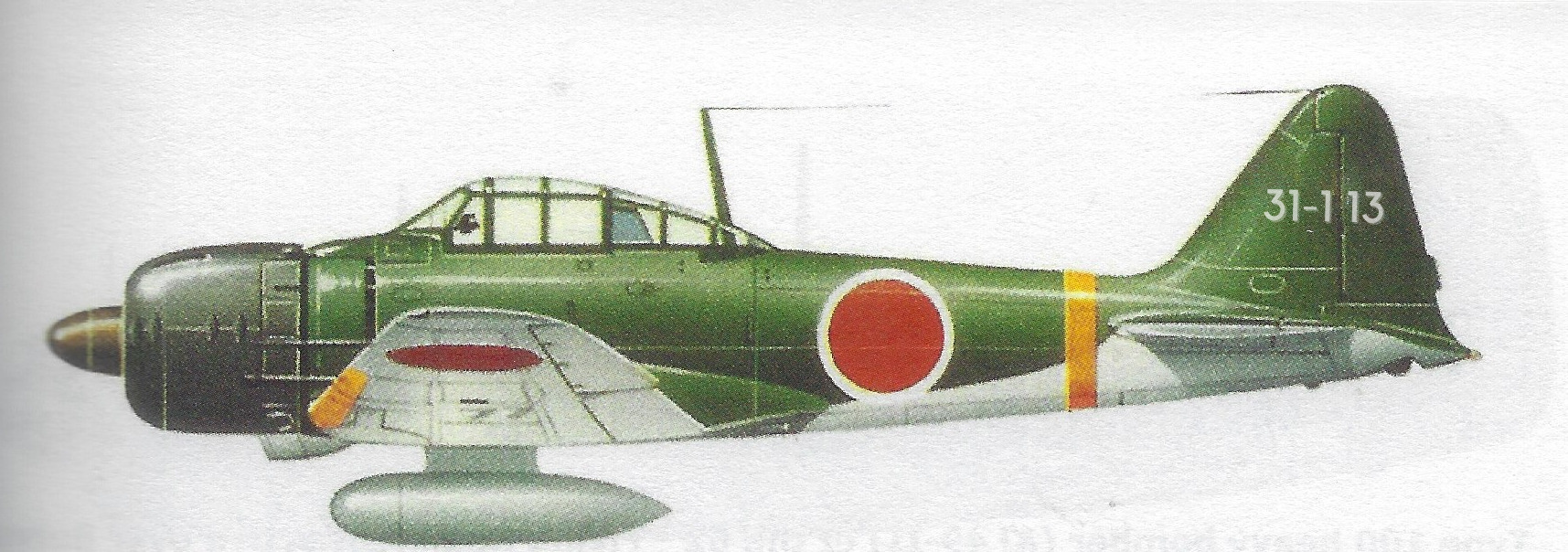
Zero 31-113
On November 1st Air Group 331 sent a request to higher headquarters to make the standard organization of a fighter flight a section (shotai) of two units (hentai) of two aircraft each. Permission was apparently eventually granted since 331 began operating as four-plane flights during January 1944. Meanwhile LtCdr. Shindo and his veteran warrant officer pilots had been coaching the less experienced pilots on combat techniques in addition to flying patrol missions and engaging in occasional combat. During the first half of the month several of the less experienced pilots had their qualification status upgraded from C to B. A pilot rated in category C had completed a full course of operational training but not yet attained 400 flight hours. Category B pilots had attained 400 or more flight hours but less than 1,000 hours. Category A pilots had attained 1,000 or more flight hours. The shorthand verbal descriptions for these categories were beginner, suitable for day missions, suitable for all missions, respectively.
Air Group 331: Aircrew and Aircraft Status, Nov. 17, 1943
Aircrew
| Rating A | Rating B | Rating C | Total |
| 9* | 12 | 18 | 39 |
* Five of these pilots, including a squadron leader and two section leaders, were unavailable due to illness.
Aircraft
| Zero Model 21 | Zero Model 22 | Total | |
| Available | 28 | 9 | 37 |
| In Maintenance | 9 | 0 | 9 |
| Total | 37 | 9 | 46 |
In mid-November Air Group 551, the former carrier attack unit of 331, received a full complement of Tenzans flown to Sabang from Singapore. Despite this most missions continued to be flown by the older Type 97 carrier attack bombers.
A P.R.U. aircraft over Port Blair on 16 November sighted three fighters but avoided interception. During November the air group was augmented by two veteran pilots. Both CPO Hiroshi Okano and W.O. Yoshi-ichi Nakaya had seen combat early in the Pacific war. Both fought in the Southeast Area (Solomons-New Guinea) earlier in 1943. Later in December W.O. Taniguchi and some other pilots were transferred to Rabaul. These changes thus amounted to more of an exchange rather than a reinforcement.
The Calcutta Raid and Its Aftermath
Air Group 331 had sent small flights to provide convoy cover from Mergui in the far south of Burma. In the first week of December the group took part in a major deployment to Burma advancing north in stages. This was to participate in a joint operation with the Japanese army air units – Ryu Ichi-go – Operation Dragon No. 1. The Japanese army provided eighteen Type 97 heavy bombers and more than sixty Type 1 fighters. The navy contribution was nine Type 1 land attack bombers from Air Group 705 and twenty-seven Zeros from Air Group 331.
The approach route to the target took the Japanese out over the Bay of Bengal. Squadrons of Spitfires from forward bases scrambled but most turned back due to fuel shortage, and few even sighted the Japanese formations. Squadrons of Hurricanes and Beaufighters, however, were based in the vicinity of Calcutta. The Japanese army formation clashed with Hurricanes as it approached the target. The Japanese navy formation trailed the army by more than half an hour.
The initial combat was played out between the Japanese army fighters and intercepting Hurricanes. As the navy formation approached No. 176 Squadron was scrambled. Its four Beaufighters failed to gain sufficient altitude and were recalled by control. Its B-Flight consisted of Hurricane IIc’s fitted with A.I. radar to act as night fighters. Five of these were closing in on the bombers when Zeros from 331’s first chutai sighted them. The Zero claims were for these Hurricanes and possibly others that had engaged the earlier army formation. Flying at about 25,000 feet the Zeros reported encountering eight Hurricanes. The first chutai Zeros claimed two certain and two uncertain victories. Leading the way claiming one Hurricane was LtCdr. Shingo. Veteran Taniguchi added another. In Ens. Suzuki’s flight, Petty Officer Sato claimed one uncertain as did Petty Officer Masaharu Kijiya in Taniguchi’s flight. The third chutai also got in on some action claiming two victories, one by “old timer” Akamatsu and one by Petty Officer M. Sako. Three Hurricanes from 176 Squadron were shot down with two pilots killed, one of which was ace night fighter pilot F/O Maurice Pring, D.F.M. A fourth landed in badly damaged condition. The Zeros were unscathed. The official R.A.F. communique admitted eight fighters lost in the extended action. Three shot down and one written off after landing were from 176 Squadron which tangled only with the navy Zeros.
For detailed background on this raid see: Japanese Air Raid on Calcutta – December 1943 – RLDunn
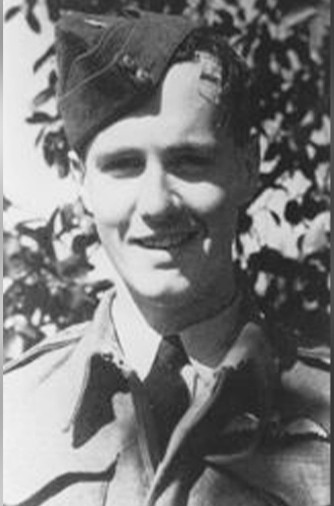
Flying Officer Maurice Pring shot down over Calcutta
The End of Air Group 331 in the Indian Ocean
Final Months
The day after the Calcutta raid five Zeros reported intercepting a dozen B-24s bombing Port Blair. The B-24s claimed one Zeke was destroyed, one probably destroyed, and three damaged. All the Zeros returned to base. Two B-24s were damaged by their attacks. In contrast to this attack much of the U.S. B-24 effort during December was focused on Rangoon. Their fighter escorted daytime attacks were supplemented by R.A.F. Liberators and Wellingtons in night attacks. These raids were strongly opposed by recently reinforced Japanese army fighters. Anti-shipping efforts were mainly confined to dropping mines at night. For Air Group 331 the remainder of the month was primarily occupied by routine patrol missions.
In the first part of January B-24s flew missions as far ranging as to Bangkok, Thailand. Once again, however, anti-shipping missions were mainly limited to nocturnal minelaying. On 23 January two waves of six and thirteen B-24s struck shipping targets in southern Burma. In addition to small boats, they claimed the sinking of a mid-size cargo vessel; a claim not substantiated in post-war records. From Mergui four 331 Zeros led by Ens. Suzuki intercepted the Liberators expending all their cannon ammunition and much of their 7.7mm machine guns ammunition. One Zero returned for an emergency landing and another was hit by machine gun fire. The Japanese claimed two B-24s, one by AA fire and one by the Zeros. B-24J No. 42-73067, piloted by Capt. Benjamin Joy, was shot down by a Zero in a head-on pass. It crashed on a beach and burst into flames. Only one crewman survived to become a POW. This was 331’s only air combat in January.
Change of scene
Events in early February, thousands of miles from Sabang determined the future of Air Group 331. In the first week of February Japanese resistance on Kwajalein Island in the Marshall Islands ended after a four-day battle. The following day two U.S. Marine PB4Y aircraft based in the Solomon Islands flew a reconnaissance mission over Truk where Japan’s Combined Fleet was stationed. A week later Fleet commander Admiral Koga ordered major units of the Combined fleet to relocate to Palau Island. Japan was in the process of creating a strong mobile air fleet, the land based First Air Fleet, to defend the central Pacific and approaches to Japan. However, the projected completion of the new Air Fleet had been scheduled for June 1944. Now the buildup had to be speeded up. Air Group 331 was ordered to the Pacific.
Either the usually accurate Allied radio intelligence fouled up, or the Japanese did an excellent job of deception. Far from immediately detecting a withdrawal of naval assets, Allied intelligence incorrectly assessed an increase. Twenty Zekes of Air Group 331 which they believed had deployed to the Southwest Pacific were as of mid-February thought to have returned upping estimated Japanese naval air strength in the area to over 160 aircraft. Japanese navy flying boat activity along the coasts of India and Ceylon was particularly active in early February tending to support the notion of increased naval air strength. However, by mid-February Air Group 331’s days over the Bay of Bengal had ended.
Name Change
Effective 4 March 1944, Air Group 331 with thirty-three Zeros was reorganized as a Sento-tai (fighter unit), S603 of Air Group 202 with Commander Shingo still its flight leader. In this guise it took on a new life in its new theater. A reorganization with Kokutai (air groups) consisting of subordinate Hikotai (air units) was taking place generally in Japan’s naval air force in this period. The transfer took place in several stages. S603 reached Davao in the Philippines by mid-March. By the end of March, it transferred via Woleai to Truk. At Truk it encountered a familiar opponent B-24 Liberators of the Marshall Islands based 7th and Solomons based 13th Air Forces. By mid-April 1944 S603 had only eighteen Zeros operational. Moreover, some of its replacement pilots were Category D – those who had not completed full operational training.
Meanwhile a new Air Group 331 was formed. A Navy headquarters order of 15 March 1944 established its authorized strength as twenty-four Zeros. In mid-May it transferred from Japan to Sumatra with many of its pilots still in training status. In Sumatra it may have incorporated ground staff of the original 331. Its stay in the vicinity of the Bay of Bengal was short. In June it received orders to Peleliu and Yap Islands. Both the original and second Air Group 331 found themselves in the meat grinder of the central Pacific with limited numbers of aircraft and under-trained pilots.
Postscript
LtCdr. Shingo survived the war. In the 1950’s he joined the Japan Self-Defense Air Force rising to Lt. General. Akamatsu, Nakaya, Okano and Taniguchi also survived. Lt. (j.g.) Suzuki and many others did not. Suzuki died leading an attack from Truk against an American aircraft carrier task force in April 1944.
Very informative!
Thanks Steve. I hope to fill voids in the generally available information with these articles.
Rick